

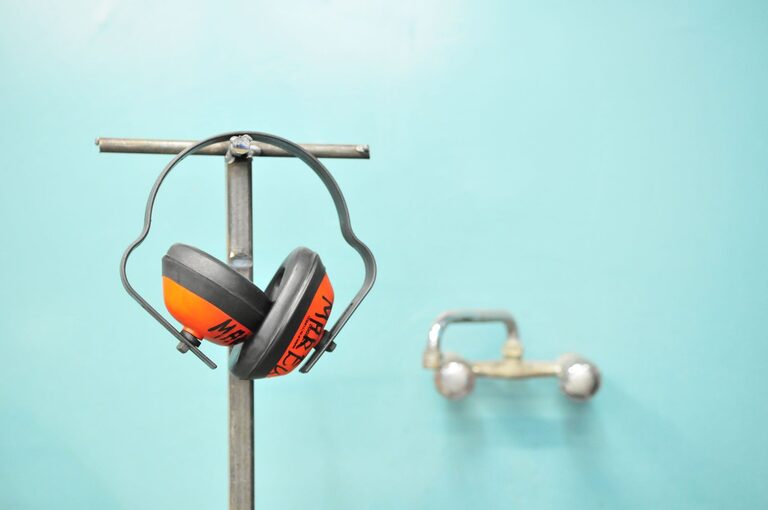
Creating a peaceful and quiet home environment can significantly improve your comfort and well-being. Whether you live in a busy city, a bustling suburb, or near a noisy street, there are simple ways to reduce noise inside your home. This article will guide you through practical tips and easy fixes to minimize noise and enjoy a more serene living space.
Why Reducing Noise at Home Matters
Noise pollution can cause stress, disrupt sleep, and reduce productivity. Even everyday sounds like traffic, loud appliances, or neighbors can create an environment that feels chaotic. By taking steps to control noise, you not only improve your comfort but also enhance your overall quality of life.
Identify the Sources of Noise
Before making changes, it’s important to understand where the noise is coming from. Common noise sources include:
– Traffic and street noise
– Loud neighbors or communal areas
– Household appliances and electronics
– Outdoor noises like pets or lawnmowers
– Echoes or reverberations inside the home
Once you know the main culprits, you can select the most effective strategies to reduce those sounds.
Simple Ways to Reduce Noise Inside Your Home
1. Use Soft Furnishings to Absorb Sound
Soft materials absorb sound waves and reduce echo. Consider adding:
– Rugs and carpets: Place rugs on hard floors to dampen footsteps and sounds.
– Curtains: Heavy, thick curtains can block outside noises from windows.
– Cushions and upholstered furniture: These items help absorb indoor sounds and make rooms quieter.
2. Seal Gaps and Cracks
Sound can easily enter through small openings. Check for gaps around:
– Windows and doors
– Electrical outlets
– Baseboards and molding
Use weatherstripping, door sweeps, or caulk to seal these gaps. This will help keep unwanted noise out.
3. Rearrange Furniture Strategically
Furniture placement can act as a sound barrier. For example:
– Position bookshelves filled with books against noisy walls.
– Place sofas and chairs away from noisy windows.
– Use large furniture pieces to block or absorb noise paths.
4. Use White Noise Machines or Fans
Sometimes, masking noise is easier than eliminating it. White noise machines or fans create a consistent, calming sound that can cover disruptive noises, especially during sleep or work.
5. Upgrade Windows and Doors
If outside noise is a frequent problem, consider:
– Installing double-pane or soundproof windows.
– Using solid-core doors instead of hollow ones.
– Adding storm doors or window inserts for extra sound insulation.
6. Add Soundproofing Materials
For more substantial noise control, you can use:
– Acoustic panels or foam tiles on walls and ceilings.
– Soundproofing curtains or blinds.
– Carpet padding under rugs for extra absorption.
These options may require a bit more investment but can greatly reduce noise levels.
7. Manage Noise From Appliances
Many household appliances create background noise. To minimize this:
– Place noisy appliances on vibration-absorbing mats.
– Regularly maintain appliances to reduce excess noise.
– Choose quieter models when replacing or buying new appliances.
Outdoor Noise Control Tips
Sometimes noise comes from your yard or outdoor spaces. Try these ideas:
– Plant trees or shrubs as natural sound barriers.
– Install fences or trellises to block or deflect noise.
– Use outdoor curtains or screens on patios to create quieter zones.
Create Quiet Habits
In addition to physical changes, encourage quieter habits within your home:
– Use headphones when listening to music or watching TV.
– Set volume limits on devices.
– Close doors to reduce sound travel between rooms.
– Communicate with neighbors about noise concerns respectfully.
Final Thoughts
Reducing noise at home doesn’t need to be complicated or expensive. Even small changes like adding rugs or sealing gaps can make a big difference. By combining a few of these simple strategies, you can transform your home into a calm, quiet retreat where you can relax, sleep better, and enjoy your time more fully.
Remember that every home and noise situation is unique. Try different solutions to see what works best for you, and don’t hesitate to consult with a professional if you need more advanced soundproofing options. Creating a peaceful home environment is worth the effort!