

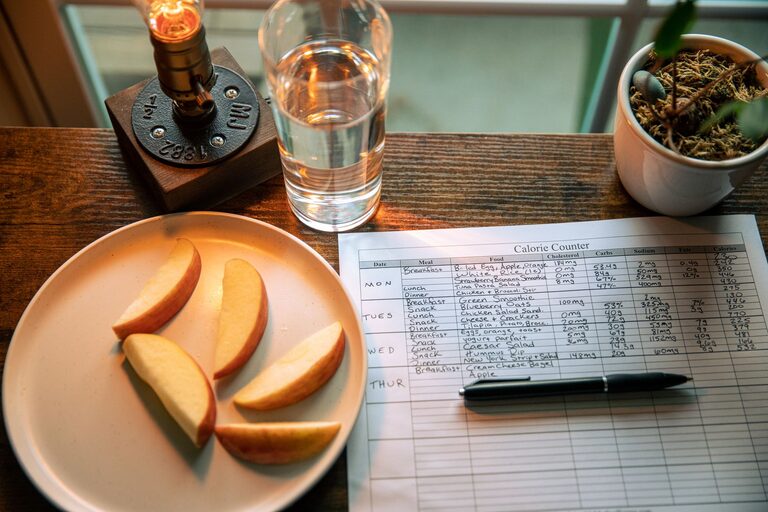
Planning balanced meals can feel overwhelming, especially with busy schedules and conflicting nutrition advice. However, creating nutritious, well-rounded meals doesn’t have to be stressful or complicated. With a few practical strategies, you can enjoy healthy eating that suits your lifestyle and tastes. This guide will help you plan balanced meals without the hassle, so you can feel confident and nourished every day.
What Is a Balanced Meal?
Before diving into meal planning, it’s helpful to understand what a balanced meal includes. Generally, a balanced meal contains:
– Protein: Helps build and repair tissues and keeps you feeling full.
– Carbohydrates: Provide energy; focus on whole grains, fruits, and vegetables.
– Healthy Fats: Support brain health and hormone production.
– Vegetables and Fruits: Rich in vitamins, minerals, and fiber.
– Hydration: Water or low-sugar beverages to stay hydrated.
A balanced meal combines these elements in portions that suit your needs, preferences, and activity level.
Why Plan Meals?
Meal planning offers multiple benefits:
– Save time and money: Reduce last-minute trips to the store and avoid waste.
– Improve nutrition: Make intentional choices to meet your health goals.
– Reduce stress: Avoid the daily “what’s for dinner?” dilemma.
– Encourage variety: Include different foods to get a range of nutrients.
With thoughtful planning, you’ll eat well without feeling tied to rigid routines.
Step 1: Assess Your Needs and Preferences
Start by considering:
– How many meals and snacks you eat daily.
– Your schedule and available cooking time.
– Dietary preferences or restrictions.
– Foods you enjoy and dislike.
Knowing these helps tailor your meal plan to your life.
Step 2: Build a Simple Framework
Use the “plate method” as a basic guide:
– Half your plate filled with vegetables and fruits.
– One-quarter with lean protein.
– One-quarter with whole grains or starchy vegetables.
– Add a small serving of healthy fats, like olive oil or avocado.
This visual can simplify meal assembly without strict calorie counting.
Step 3: Choose Easy, Versatile Ingredients
Select ingredients that can be used in multiple dishes throughout the week. For example:
– Proteins: chicken breasts, canned beans, eggs, tofu.
– Grains: brown rice, quinoa, whole-wheat pasta.
– Vegetables: carrots, spinach, bell peppers, frozen mixed veggies.
– Fruits: apples, bananas, berries.
Buying a mix of fresh and frozen items supports flexibility and nutrition.
Step 4: Plan Your Meals Ahead
Set aside 10–15 minutes once a week to plan your meals. Use a notepad, app, or calendar to jot down:
– Breakfast, lunch, and dinner for each day.
– Snacks if needed.
– Ingredients required.
Keep recipes simple, with familiar cooking methods and ingredients.
Step 5: Prepare in Batches
Batch cooking or prepping ingredients ahead can save time:
– Wash and chop vegetables for quick use.
– Cook grains or proteins in larger quantities.
– Portion snacks or lunches for grab-and-go.
Storing prepped foods properly helps maintain freshness.
Step 6: Keep Meals Balanced and Colorful
Aim for variety in colors and food groups. For example:
– A stir-fry with colorful veggies, brown rice, and tofu.
– A salad with leafy greens, grilled chicken, nuts, and fruit.
– Whole-grain toast topped with avocado and a boiled egg.
Colorful meals are often more appealing and nutrient-rich.
Step 7: Stay Flexible and Kind to Yourself
Remember, meal planning is a tool, not a rulebook. It’s okay to:
– Swap meals based on cravings or availability.
– Use convenience items like pre-washed salads or canned beans.
– Enjoy treats occasionally without guilt.
Focus on progress, not perfection.
Helpful Tips for Stress-Free Balanced Meals
– Use simple recipes: One-pot meals, sheet pan dinners, or slow cooker recipes save effort.
– Keep a stocked pantry: Basic staples like canned tomatoes, spices, and grains help whip up meals quickly.
– Involve family or roommates: Sharing meal prep can make it fun and less stressful.
– Experiment gradually: Try one new vegetable or recipe each week.
– Listen to your body: Eat when hungry and stop when satisfied.
Sample Balanced Meal Ideas
– Breakfast: Greek yogurt with mixed berries, a sprinkle of nuts, and a drizzle of honey.
– Lunch: Quinoa salad with chickpeas, cucumbers, tomatoes, and a lemon-tahini dressing.
– Dinner: Baked salmon, steamed broccoli, and roasted sweet potatoes.
– Snack: Apple slices with nut butter or hummus with carrot sticks.
Final Thoughts
Planning balanced meals without stress is achievable with a few simple habits. By knowing your needs, choosing versatile ingredients, and preparing ahead, you’ll create nutritious meals that fit your lifestyle. Start small, stay flexible, and enjoy the journey to healthier eating with less worry.